prompt mine App
Find, Create & Share AI Magic
Post-Holiday Transition: A Smooth Return to Work
It is completely normal to feel this sense of overstimulation and social fatigue after a stimulating holiday break. Navigating the shift from unstructured fun back to demanding coordination is challenging, but we can manage this transition smoothly by addressing your sleep patterns and social energy drain directly.
Part 1: Symptom Identification
Based on your situation (irregular sleep, high social activity, current lethargy, and anxiety about interaction), here are the symptoms you are most likely experiencing:
Physical level:
Fatigue (✓)
Sleep disorders (✓)
Psychological level:
Anxiety (✓)
Irritability (✓)
Low mood (✓)
Poor concentration (✓)
Behavioral level:
Work procrastination (✓)
Low efficiency (✓)
Social withdrawal (✓)
Part 2: Root Cause Analysis
This feeling is a normal physiological and psychological reaction, not a personal failing.
Circadian Rhythm Disruption: Your 4-hour variance in wake-up times (8 AM to noon) and late bedtimes (11 PM to 2 AM) has drastically shifted your internal clock. This causes the physical fatigue and lethargy, making concentration difficult. Your body is still biologically prepared for vacation hours.
Psychological Adaptation Challenge: You are switching from a high-reward, passive consumption mode (binge-watching, gaming) and intense external energy output (hosting, socializing) to a sustained, structured, and cognitively demanding mode (Project Manager, client coordination). This required mental switch is draining.
Habit Disruption and Social Energy Imbalance: Your current feelings of being overstimulated yet lethargic, and socially drained while anxious about coordination, point to the core issue. Your social battery is depleted from the holidays, yet your job requires high social output. This mismatch is the primary source of your anxiety and need for quiet.
Core Issues Requiring the Most Attention: Reestablishing a consistent sleep-wake cycle and actively managing your social energy boundaries during the first week back.
Part 3: Phased Relief Strategy
📅 2-3 Days Before Return
Key Focus: Begin adjustment + gentle transition
Shift your wake-up time back to 8:30 AM or earlier, regardless of when you slept. Get immediate daylight exposure within 30 minutes of waking to anchor your circadian rhythm.
Reduce high-dopamine activities sharply. Stop late-night gaming and binge-watching after 9 PM. Replace them with quiet, low-stimulus activities like reading or listening to calm music.
Reintroduce work-related structure gently. Spend 30 minutes reviewing your upcoming calendar and drafting a simple priority list for Day 1, avoiding deep work.
Standardize meal times. Eating meals at roughly the same time you will during the work week helps regulate your digestive clock, further supporting sleep timing.
🌙 Last Day of Vacation
Key Focus: Schedule adjustment + mental preparation
Aim for lights out by 10:30 PM, targeting 7.5 to 8 hours of sleep. If you are struggling to wind down, take a warm shower 90 minutes before bed.
Perform a thorough "Work Environment Reset." Clean and organize your physical workspace and desk (since you work hybrid) to create a sense of fresh control and psychological readiness.
Designate the first 60 minutes of the workday tomorrow as a mandatory "Quiet Planning Block" on your calendar. This reservation will alleviate anxiety about diving straight into coordination.
Practice a short (10-minute) body scan or simple breathing exercise in the afternoon to acknowledge and release lingering social tension and anxiety.
☀️ First Day Back at Work
Key Focus: Gentle start + pace control
Strictly adhere to your pre-scheduled "Quiet Planning Block." Use this time only for email triage, reviewing the week’s priorities, and setting one achievable, low-energy goal. Avoid client calls.
Prioritize low-social energy tasks first, such as documentation, administrative cleanup, or data review. Save heavy coordination, team meetings, or high-stakes client calls until after lunch.
Schedule physical transitions. If working hybrid, move around frequently. If remote, take a dedicated 15-minute walk midday to transition your mindset and break up cognitive overload.
Be realistic about output. Aim for 60% capacity on Day 1. Accept that efficiency will be lower and protect your energy reserves.
📊 First Week Back
Key Focus: Progressive recovery + habit rebuilding
Maintain the consistent 8:30 AM wake-up time, even on non-work days, for the entire week to stabilize your rhythm quickly.
Implement "Deep Work/No Call Hours" boundaries (e.g., 9 AM to 11 AM daily) on your shared calendar to protect your focus and manage social drain.
Reintroduce one restorative habit you dropped during vacation, such as 20 minutes of light exercise or preparing a healthy breakfast each morning.
Conduct a brief end-of-day review (15 minutes) where you list three things you accomplished and plan the top three priorities for the next day. This minimizes anxiety overnight.
Part 4: Action Checklist
[ ] Must-Do Actions (Focus on sleep and boundaries)
[ ] Set an alarm for 7:30 AM (or earlier) and commit to waking up at this time for the next seven days.
[ ] Block off the first 60 minutes of your first day back as "Focus Time - No Meetings."
[ ] Consume zero caffeine after 2:00 PM for the entire first week.
[ ] Identify the single most important task for Day 1 and commit to finishing only that one item.
[ ] Recommended Actions (Focus on reintegration and energy management)
[ ] Drink a full glass of water immediately upon waking up each morning.
[ ] Take a 10-minute quiet break away from your screen every 90 minutes on your first day back.
[ ] Spend 15 minutes organizing your desktop and digital files before officially starting work.
[ ] Prioritize preparing a healthy, non-heavy lunch the night before work.
[ ] Avoid Actions (Behaviors that worsen PHS symptoms)
[ ] Do not schedule high-stakes client calls or demanding meetings before 11:00 AM.
[ ] Avoid checking work emails or Slack messages after 7:00 PM during the first week.
[ ] Do not try to catch up on all missed work or emails in the first 48 hours; prioritize instead of processing everything.
[ ] Avoid immediately returning to late-night gaming or binge-watching, even if you feel restless.
Part 5: Supportive Message
It takes real effort to switch gears after such a high-stimulation period, and feeling overstimulated, lethargic, and anxious about social demands is a completely valid and common reaction. You are experiencing Post-Holiday Syndrome, which is simply your brain and body adjusting to a rapid change in structure and social energy input.
There is no need for excessive anxiety. You have successfully navigated demanding work environments before, and you simply need to honor your current need for quiet and structure. Be patient and gentle with yourself during this transition.
Focus on the small wins—getting to bed on time is a significant victory right now. You have a clear, phased plan to manage your energy and restore your focus. You are moving forward effectively, one intentional step at a time.

Post-Holiday Transition: A Smooth Return to Work

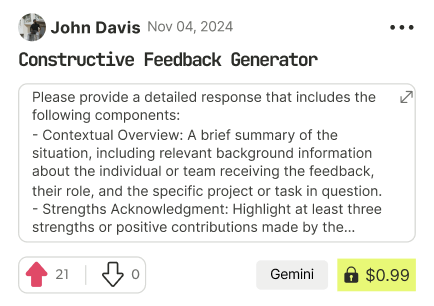
Find Powerful AI Prompts
Discover, create, and customize prompts with different models, from ChatGPT to Gemini in seconds
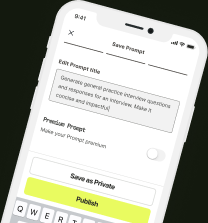
Simple Yet Powerful
Start with an idea and use expert prompts to bring your vision to life!